
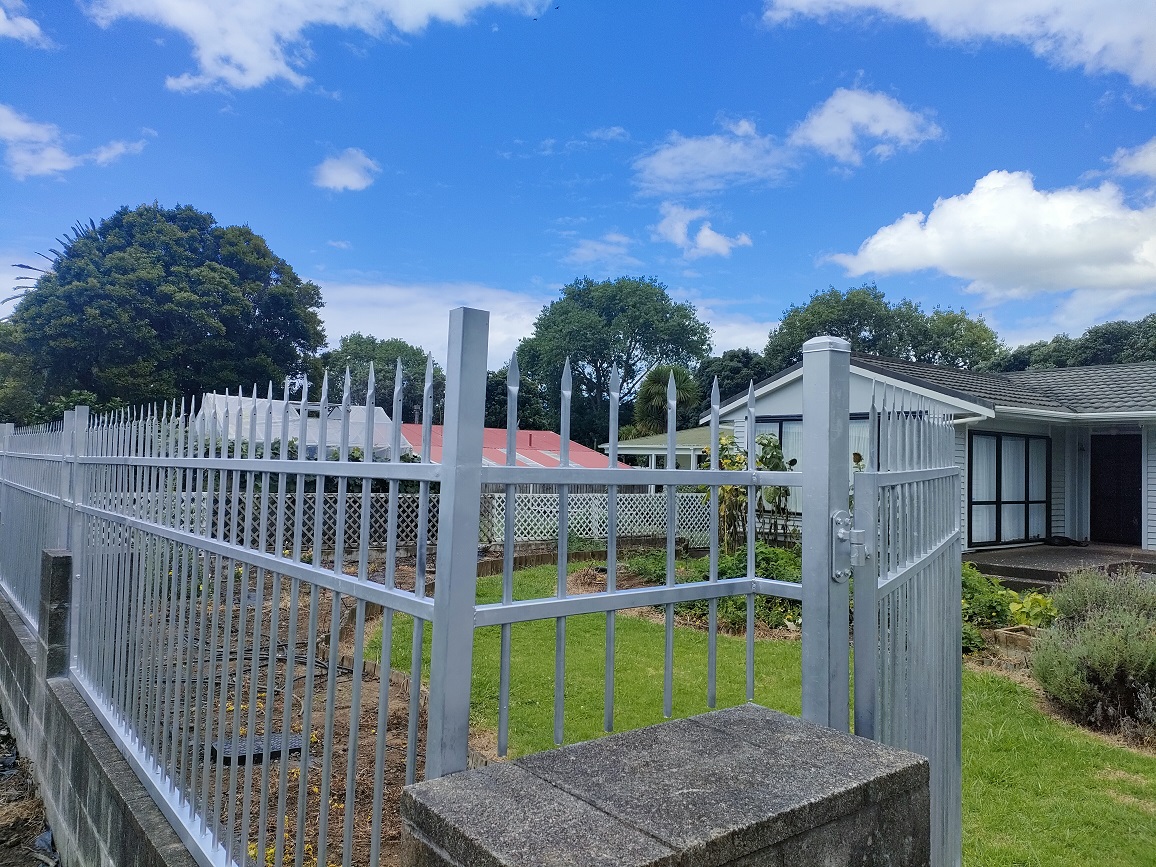
A clear guide to Auckland Council rules for driveway, entrance and automated gates
In most cases, no. Under Auckland Council rules, residential gates under 2 metres in height generally do not require building consent. However, consent or approval may be required if your gate crosses a public footpath, sits within a heritage or special character zone, or forms part of a retaining wall. Electrical work for automated gate motors must always be carried out and certified by a licensed electrician, regardless of consent status.
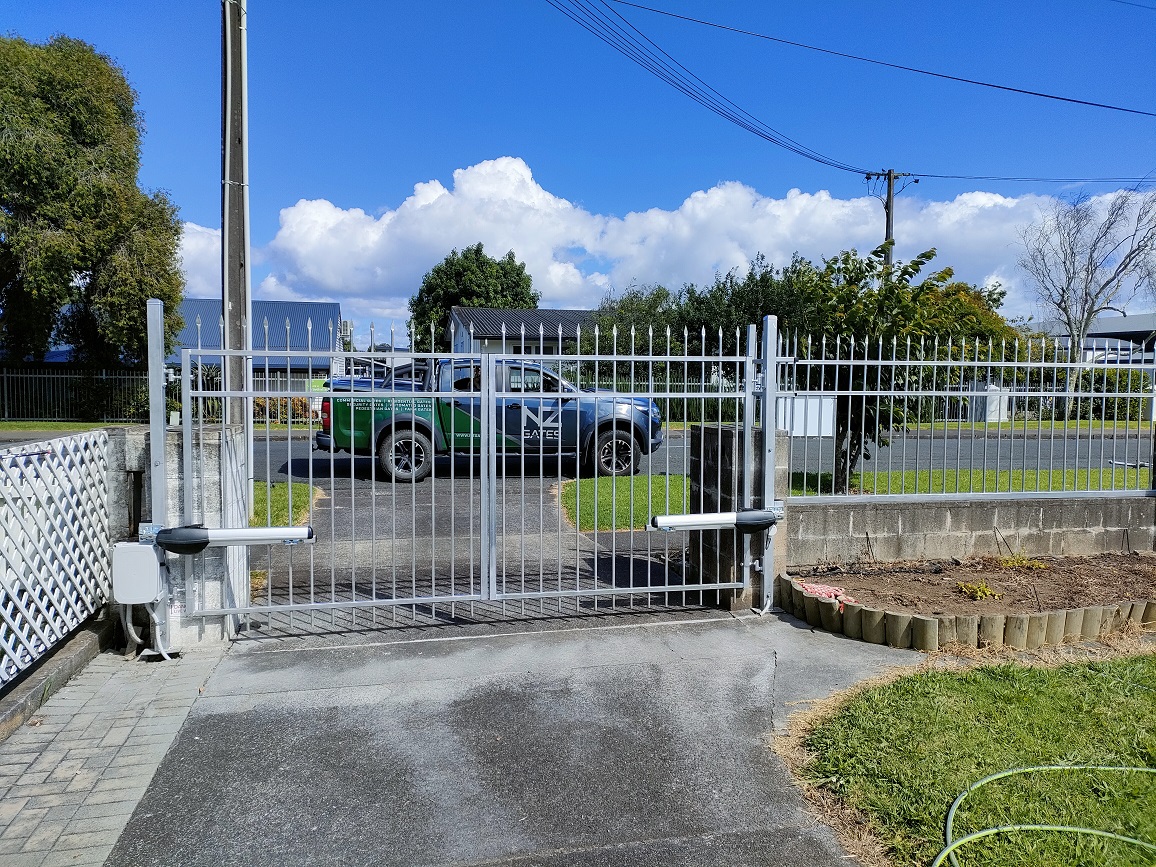
Auckland Council's Unitary Plan generally permits residential gates and fences up to 2 metres in height without requiring building consent, as long as the structure is not a retaining wall and does not sit within a specific restricted zone.
Gates taller than 2 metres, or those combined with a retaining structure, are more likely to require consent. If you're planning a tall entrance gate or gate with integrated fencing over 2 metres, it's worth checking with Auckland Council's planning department before fabrication begins.
If your gate crosses, or its swing/slide path crosses, a public footpath or road reserve, you may need council approval for the vehicle crossing itself. The gate must not obstruct pedestrian access when open, and you'll typically need to maintain a minimum clearance from the footpath edge. This is particularly relevant for properties with a driveway gate set close to the street boundary.
Regardless of whether your gate structure requires building consent, any electrical work for an automated gate motor — including running power, installing the motor, and connecting safety sensors — must be carried out by a licensed electrician and certified under New Zealand electrical safety regulations. This is a legal requirement, not an optional extra.
If your property sits within a heritage zone or has a special character overlay under the Auckland Unitary Plan, there may be restrictions on gate design, materials and colour, even for gates that would otherwise be permitted. Always check with Auckland Council's planning department before proceeding if your property has heritage status.
Commercial gates may carry additional requirements, particularly around automated machinery, under the Health and Safety at Work Act. This typically includes documented safety assessments for automated gates and regular maintenance records to demonstrate ongoing compliance.
Gates providing access to a swimming pool area are subject to separate pool fencing compliance requirements under the Building Act, regardless of the general 2-metre consent exemption. Pool gates must be self-closing and self-latching, and fencing must meet minimum height and gap requirements.
Not sure if your project needs council involvement? We can advise on typical requirements based on similar Auckland projects during your free consultation.
We'll help you understand what's required for your specific property and design a gate that fits Auckland Council rules.
We handle all necessary permits and compliance as part of our service. Contact us for a free consultation on your gate project.